

When Performance Looks Fine but Culture Is Quietly Deteriorating
People are meeting deadlines. Customers are being served. Revenue looks good.
But something has changed.
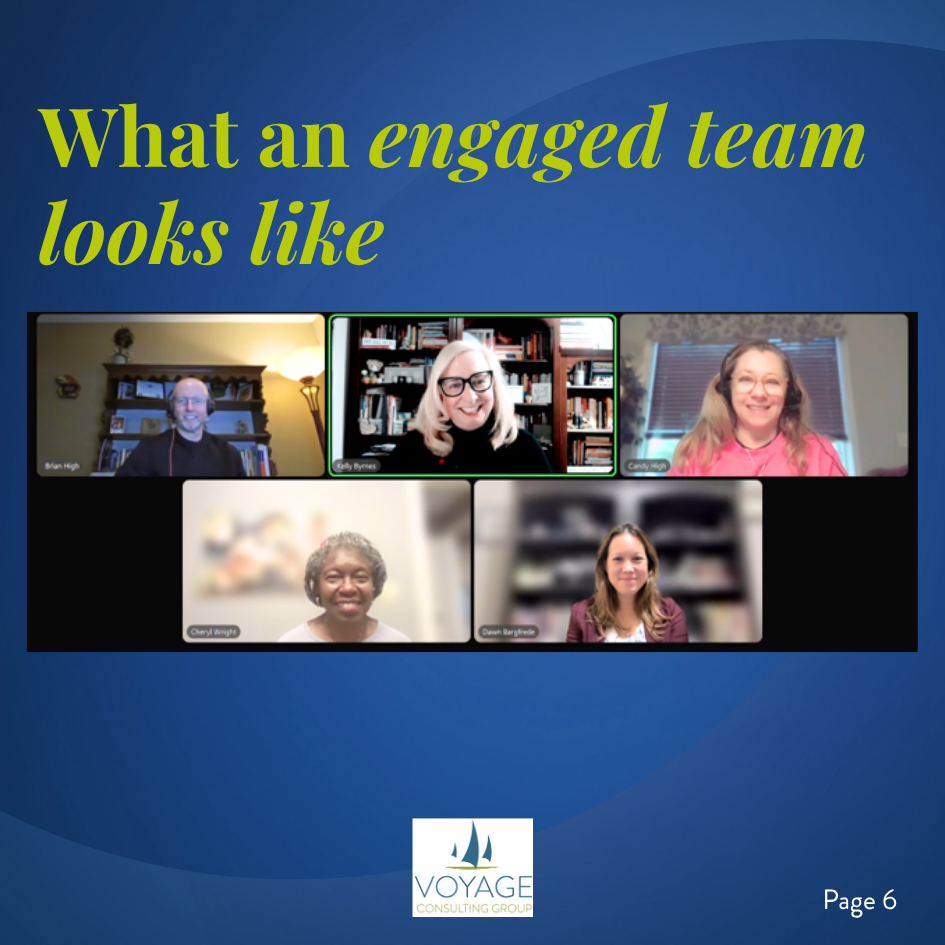
The employee who used to offer ideas has gone quiet. Someone who regularly helped colleagues now sticks to their own assignments. People agree in meetings but contribute little to the discussion.
The work is getting done, yet the energy and initiative are fading.
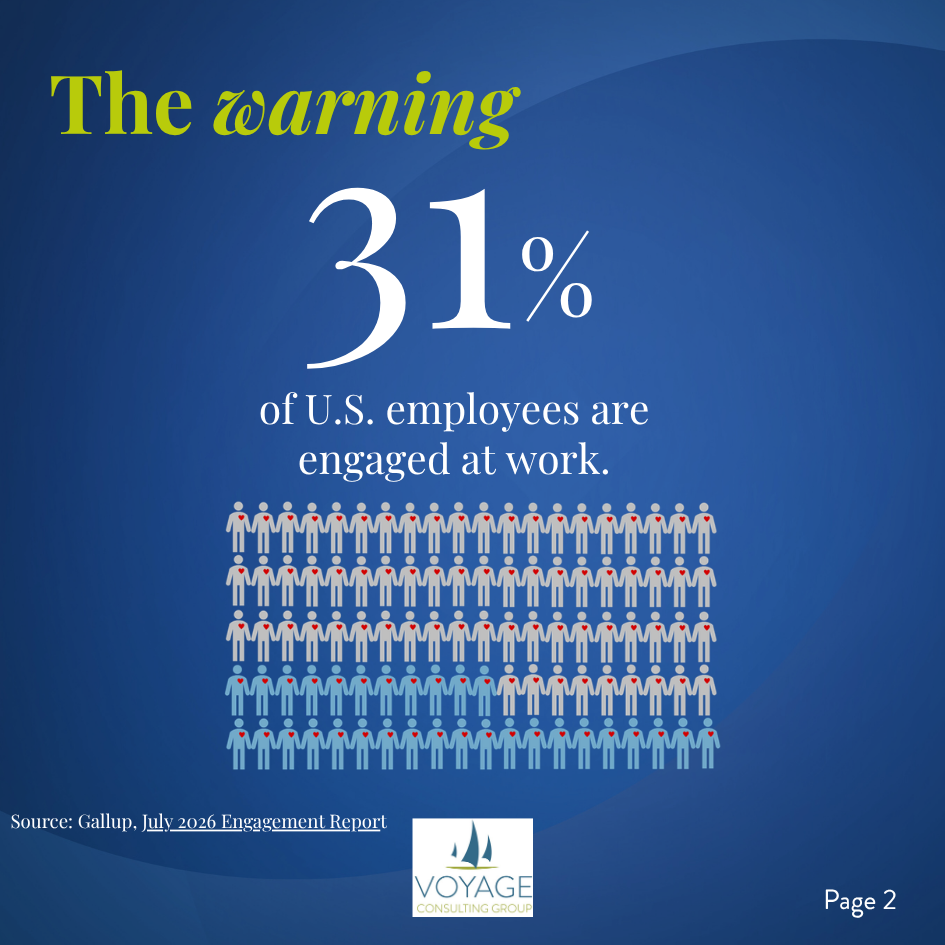
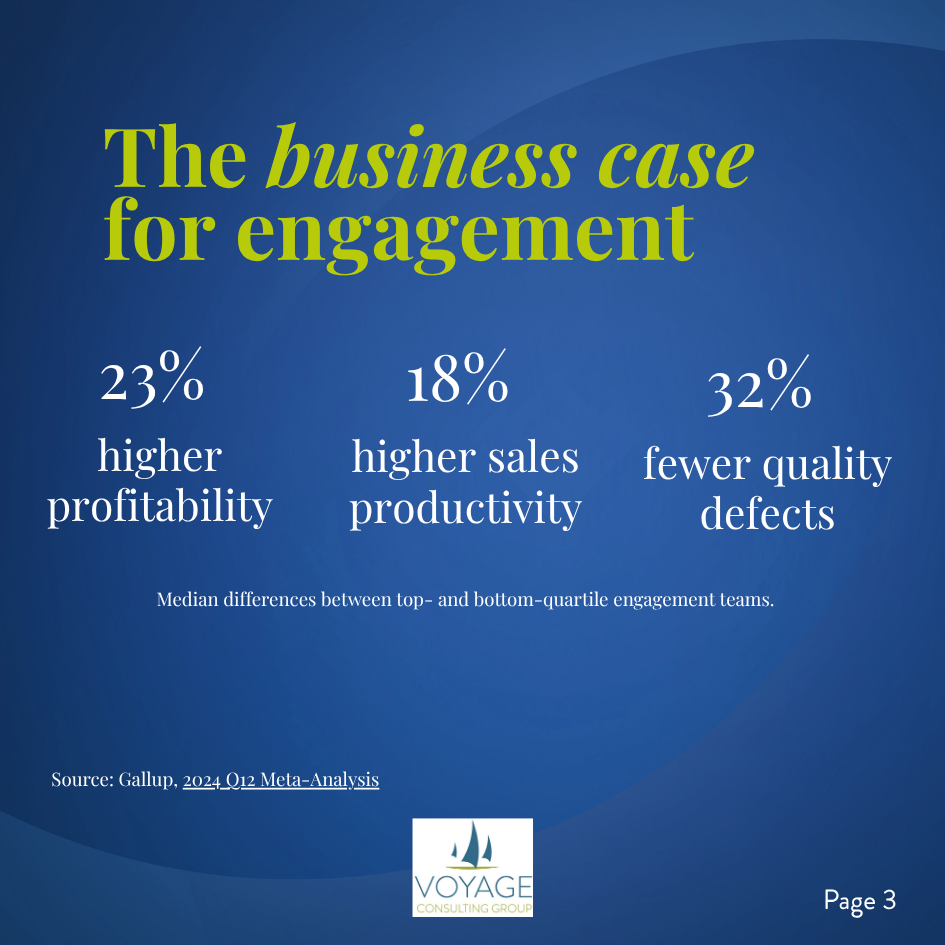
According to Gallup's July 2026 report, only 31% of U.S. employees are engaged at work. Gallup's broader research also found that highly engaged teams have 23% higher profitability and 32% fewer quality defects than teams with the lowest engagement.
Culture and financial performance are closely connected, even when the warning signs aren't showing up in the numbers yet.
What Leaders May Be Missing
During October's Culture Matters conversation, we explored how disengagement often begins long before it becomes a performance problem.
One participant described leaders who continue receiving praise for delivering results, even as their teams struggle with disengagement and turnover.
That observation brought to mind a conversation I facilitated this week with leaders in engineering and construction. We were discussing why caring about people matters in leadership.
I posed a question I've used in executive coaching conversations for years:
When you're 95 years old, standing at the pearly gates, will people remember that you hit your numbers for three consecutive quarters? Or will they remember how you treated them?
Financial performance matters. So does the way leaders treat people. In fact, how they treat people influences the organization's ability to sustain strong results. How you treat people matters beyond performance too.
Notice Before You Judge
Our Culture Matters discussion surfaced an important caution: A change in someone's behavior doesn't automatically signal disengagement.
They may be navigating a personal challenge, establishing healthier boundaries, or responding to something happening within the organization.
That's why leaders need to know their people well enough to recognize changes and care enough to ask what's happening.
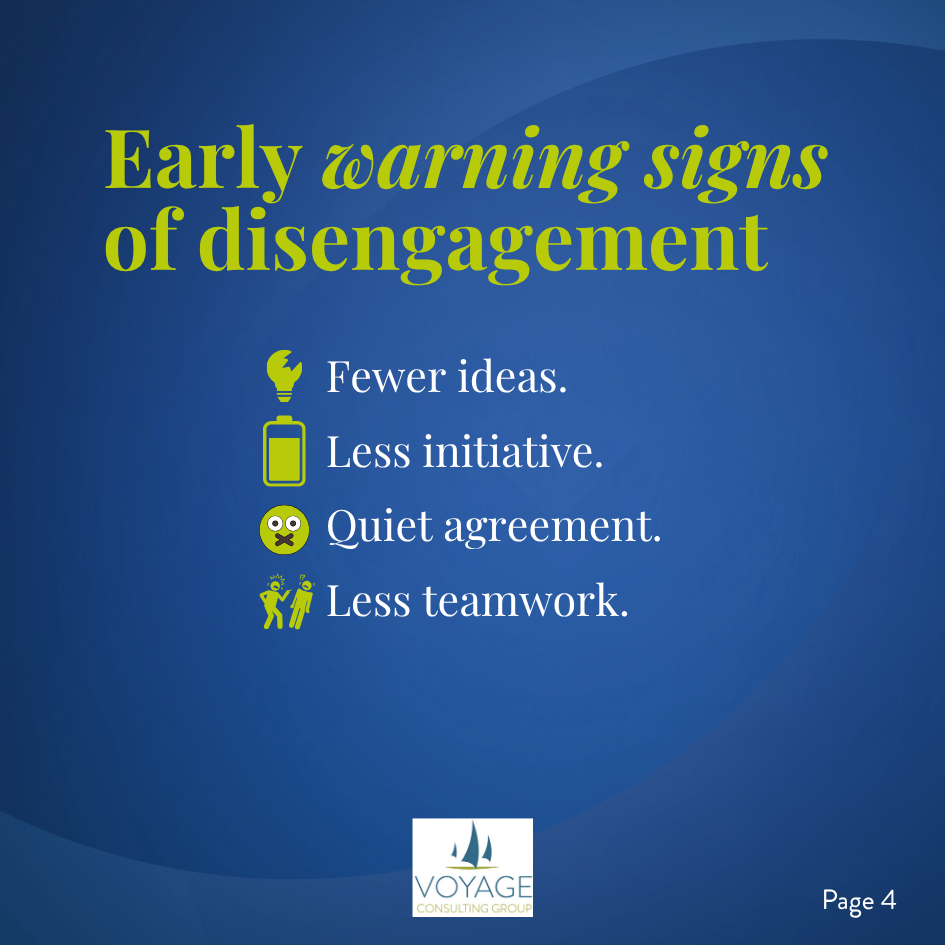
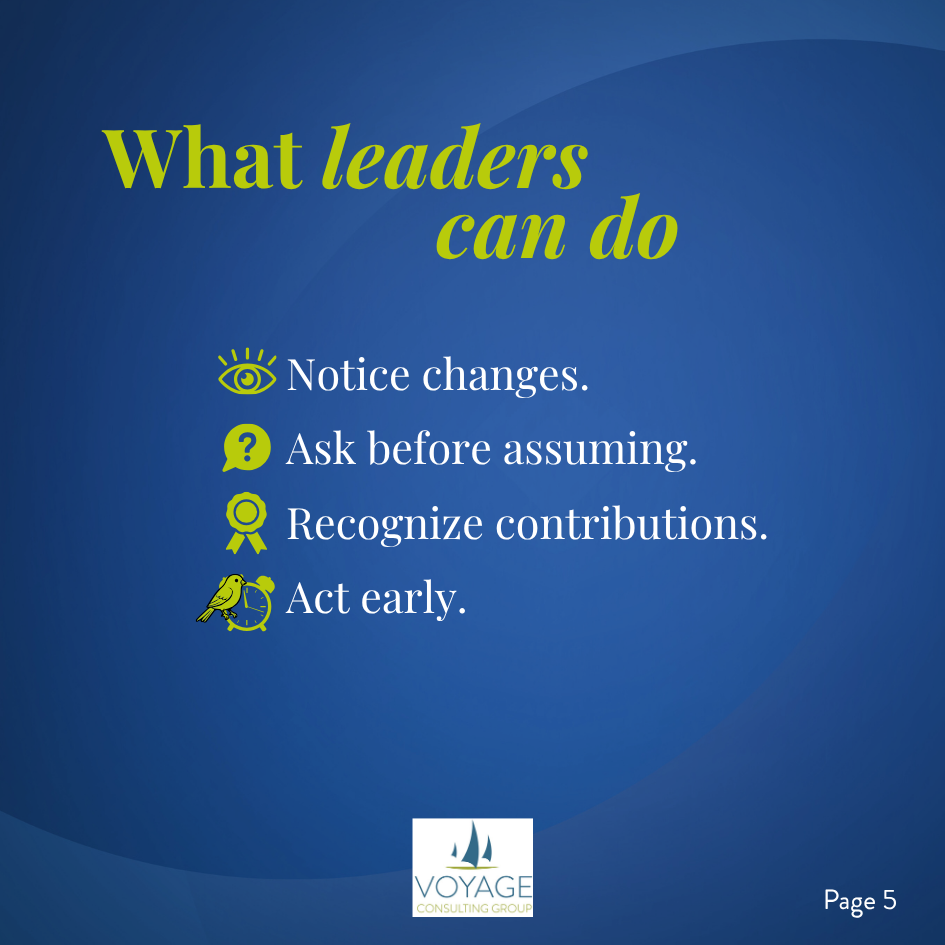
Look for fewer ideas, less initiative, quiet agreement, and declining collaboration. Listen carefully before deciding what those changes mean.
And remember, the responsibility extends beyond individual managers. Senior leaders must pay attention to the condition of their teams, including when performance numbers look good.
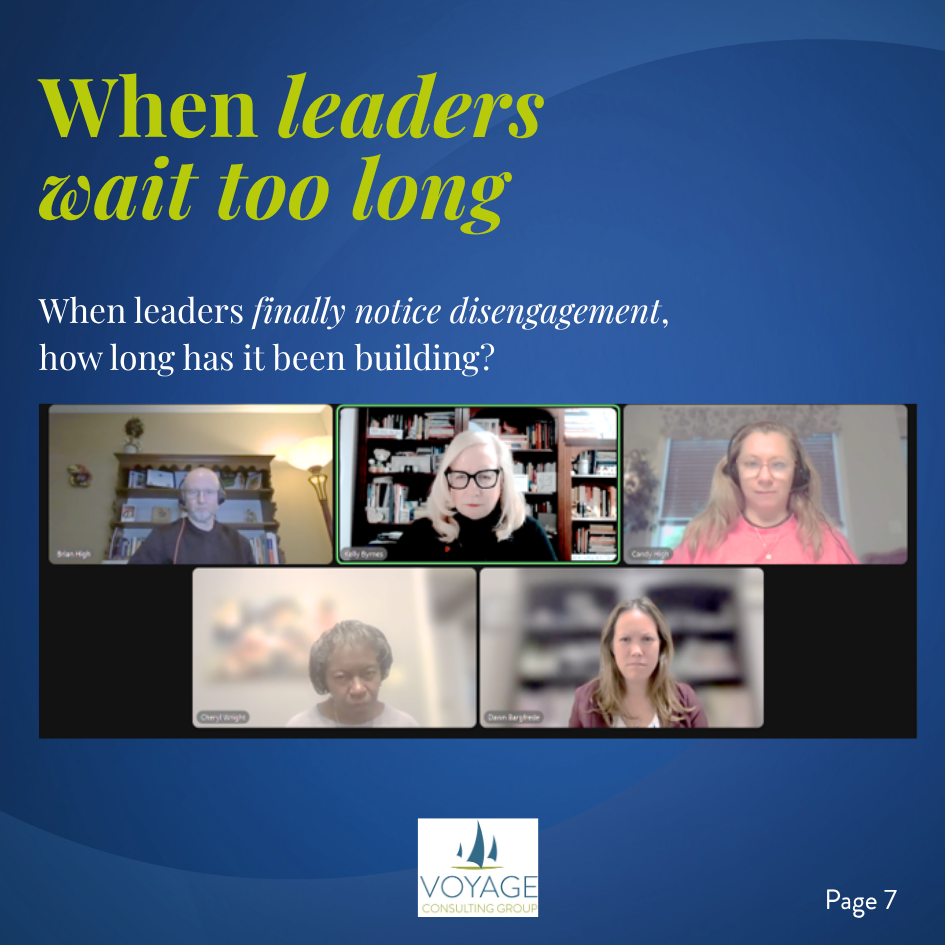
By the time disengagement shows up in financial results, how much has the organization already lost in ideas, initiative, trust, and commitment?
The earliest warning signs may be your best opportunity to protect both your people and your company's future performance.
Sources: Gallup, Employee Engagement Remains Flat as AI Adoption Accelerates (2026); Gallup, Q12 Meta-Analysis (2024).